
A Quiet Place in Styria
How to recognise one - and what a place has to manage
"Quietly situated" appears in almost every accommodation description. But there are seven points you can check before booking - and they are more reliable than any adjective.
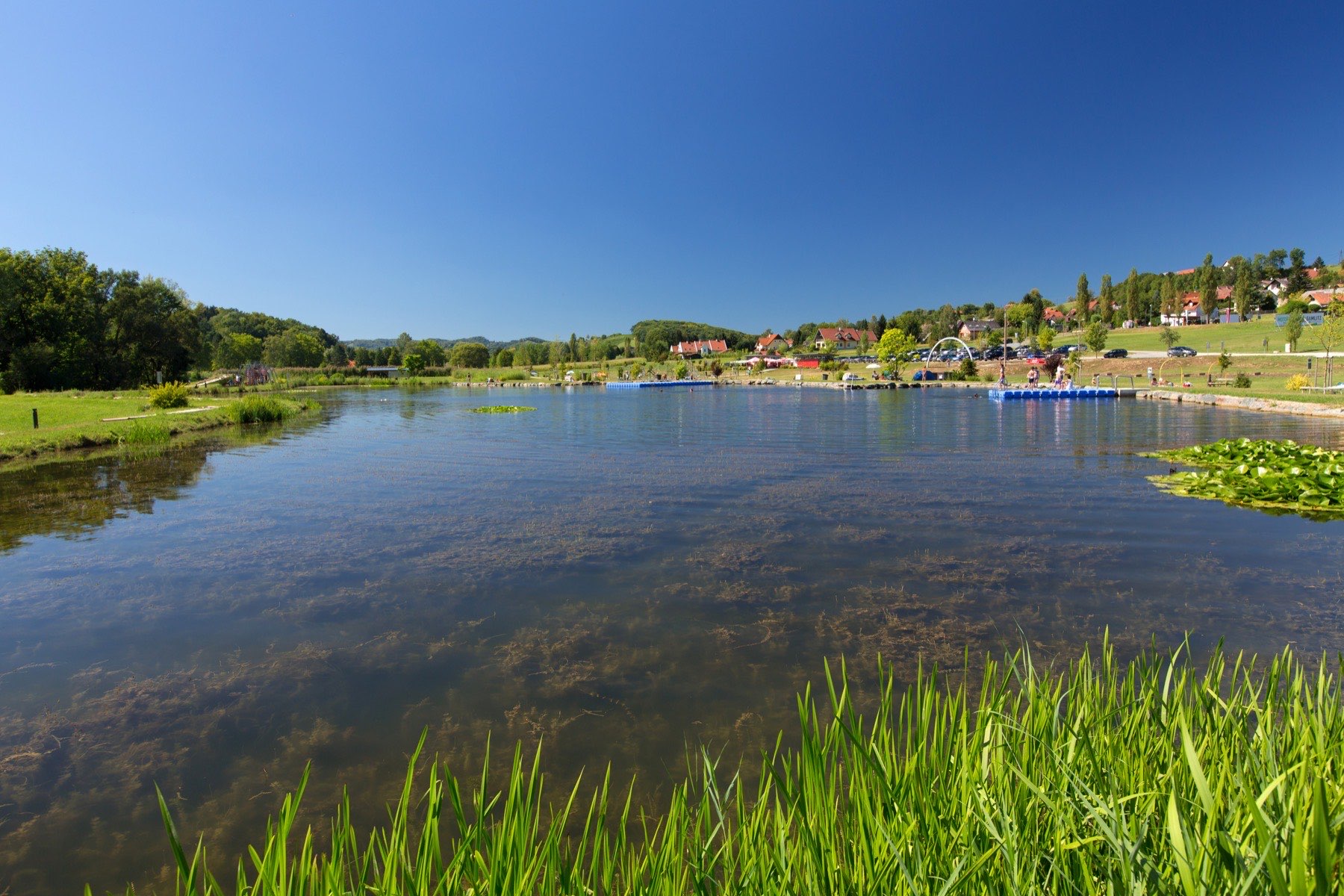
Almost every property describes itself as quiet. The word costs nothing and cannot be disproved, because nobody defines what is meant. For guests who genuinely want quiet, it is therefore close to worthless.
There are, however, seven points you can check before booking - partly on the website, partly with one email, partly on a map. Go through them and you will know more than any description could tell you.
1. How many units does the property have?
The single most important number. A property with five units has at most a few dozen people on site at once. A hotel with eighty rooms has a breakfast room, a car park in operation, and a noise level that follows from the number itself.
This is not about exclusivity but about probability: the more units, the higher the chance one of them is loud.
2. Is there a reception?
A reception means there is a place you walk past and staff you encounter. For many that is a service. For anyone seeking quiet in the sense of being unobserved, it is the opposite.
The question to ask: how does check-in work, and how often does anyone enter the apartment during the stay? Why we deliberately decided against a front-desk operation is under Why Johann & Anna Is Not a Seminar Hotel.
3. Are there fixed times?
Breakfast from seven to ten is an appointment. Housekeeping between eleven and two is a second. A place is exactly as quiet as it is free of externally set time slots.
Concrete things to ask: is breakfast mandatory? Is the apartment cleaned during the stay? Is there a curfew, a quiet-hours policy, a common room in operation?
Quiet is not a property of the landscape
Accommodation in the middle of a still region can be loud if it is full. Accommodation on the edge of a village can be still if it is small and nobody comes by to check whether you are all right. The surroundings are the second factor, not the first.
4. What is next door?
A look at a map answers more than any description. Worth checking: the distance to the nearest through road, the location of restaurants with evening service, proximity to a station or sports ground, and whether there are farms nearby - the last is not a disqualifier, but it explains why a tractor goes past at six in the morning.
For Stainz: the village is small but has infrastructure. If you want complete seclusion, you will find it in the side valleys; if you want quiet with a supermarket within walking distance, you will find it in the village.
5. How far is it to the outdoors?
Quiet is rarely experienced in a room but outdoors. What matters, then, is how many steps lie between the apartment door and a path with nobody on it.
With us that is a few minutes to the Stainzbach and around twenty to the first vineyard slopes. The concrete routes are under Hiking and Walking in West Styria.
6. How large is the apartment relative to the occupancy?
A double room of twenty-five square metres confines two people to one room for the length of the stay. Over two days that is fine; over seven it is not.
An apartment with separate areas allows an evening spent in the same house but not the same room. For couples that is the most underrated quiet factor of all - more under Apartment in Styria.
7. How do the hosts respond to a question about quiet?
The softest point, and the most revealing. If an email saying "we are mainly looking for quiet" comes back with a list of activities, you already have your answer.
Enabling quiet means, for hosts, mostly not doing things: not asking daily, not entertaining, not offering. How we handle that is described in A Day Without a Program.
What a quiet place is not
It is not remote at any cost. A place with no shop, no neighbours, and no mobile signal reads wonderfully in a description and becomes exhausting for most guests after three days. The more usable state is quiet with infrastructure: still, but not cut off.
Why West Styria is a good place for this
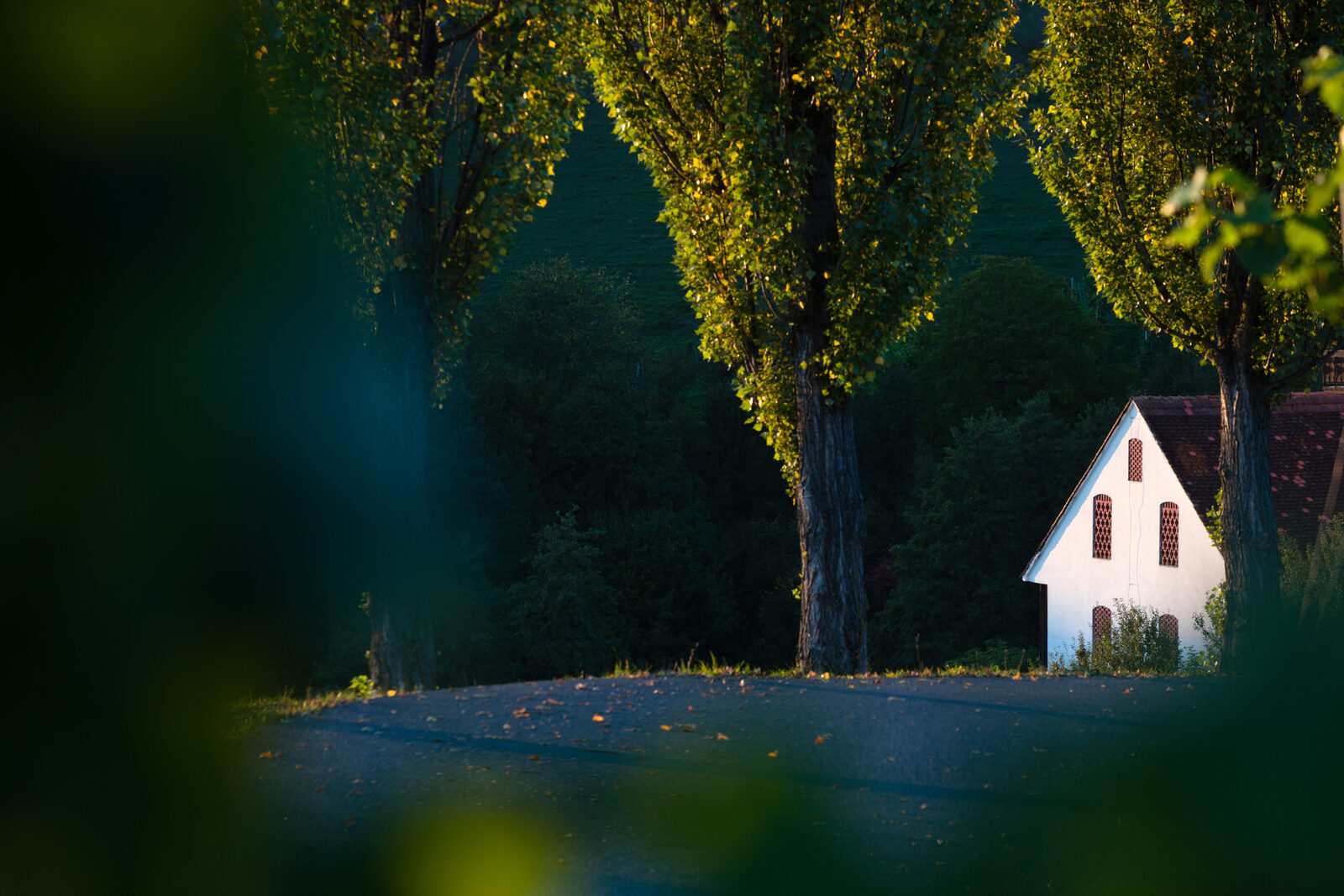
The region has no single draw that coaches stop for. That is the essential difference from South Styria and from the lake regions in western Austria: there is no place where people gather, because there is none they would have to gather at.
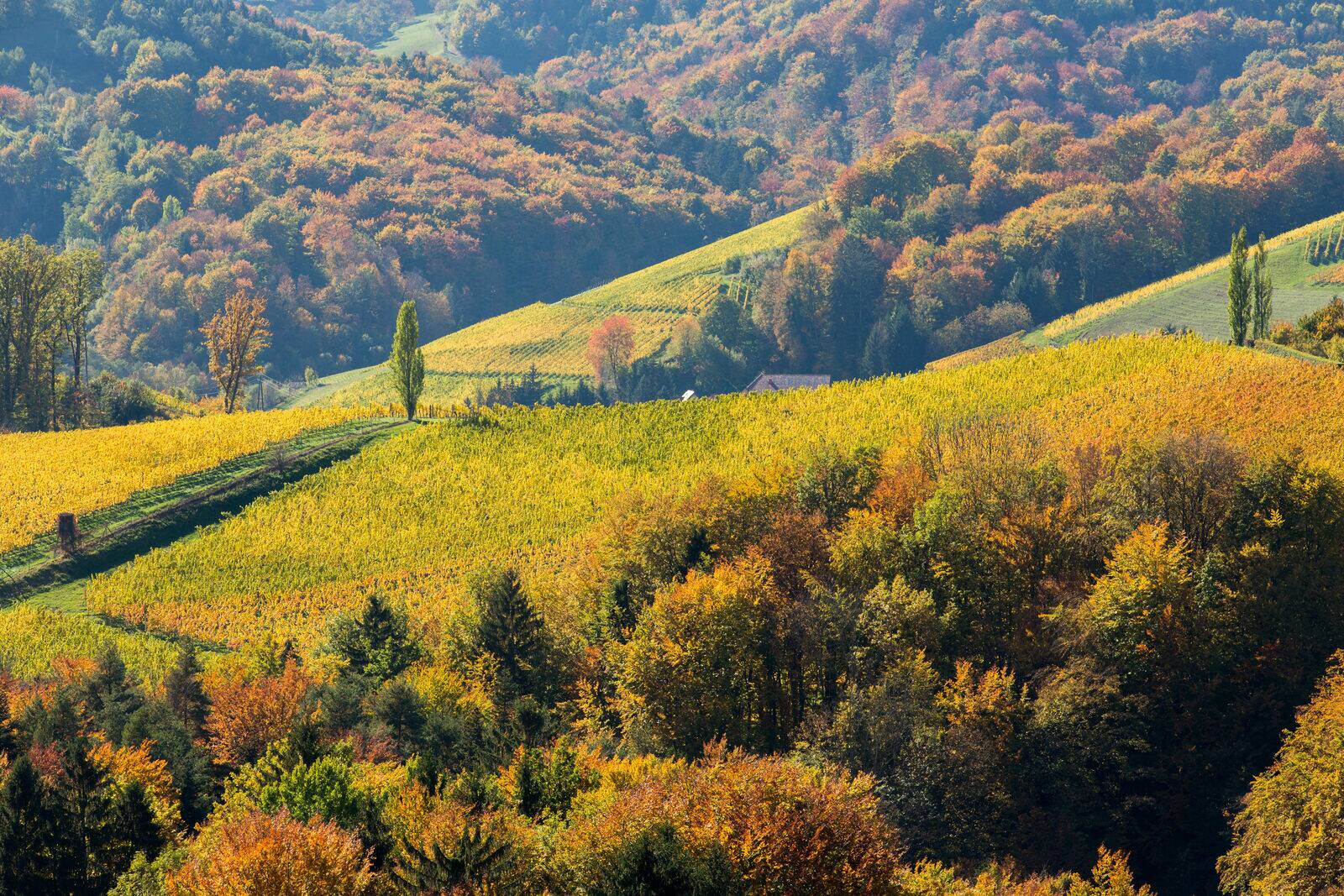
What there is instead: hills, vineyards, woods, small villages, and a lot of space in between. In more detail under Finding Peace in South West Styria and Nature Vacation in Styria.
A quiet place is rarely the most spectacular one, but the one where nobody expects anything. At Johann & Anna in Stainz that means five apartments, a garden by the stream, and no reception.
How can I tell before booking whether accommodation is genuinely quiet?
By the number of units, the absence of fixed times, the location on a map, and how the hosts answer a question about quiet.
Is a remote place automatically quieter?
No. Seclusion without infrastructure becomes exhausting for most people within a few days. What matters more is whether anybody wants something from you.
How many guests are on site at Johann & Anna at once?
There are five apartments - no more units are possible. An overview is under All Apartments.
Is there a reception or a fixed breakfast?
No. Check-in is self-service, and breakfast can be added but is not mandatory - details under Breakfast.
Is it quiet in high summer too?
Quieter than in better-known regions, but West Styria sees more activity in July and August and around the September harvest than in spring.
Is the place suitable for solo travellers?
Yes. What matters is exactly what is described here - no front desk, no obligation to socialise, no breakfast room.