
Cycling the Wine Roads
The hills around Stainz aren't racing-bike terrain built for records – they're better suited to leisurely loops: up to a lookout point, down through the vineyards, with breaks wherever the mood strikes.
What the terrain is really like
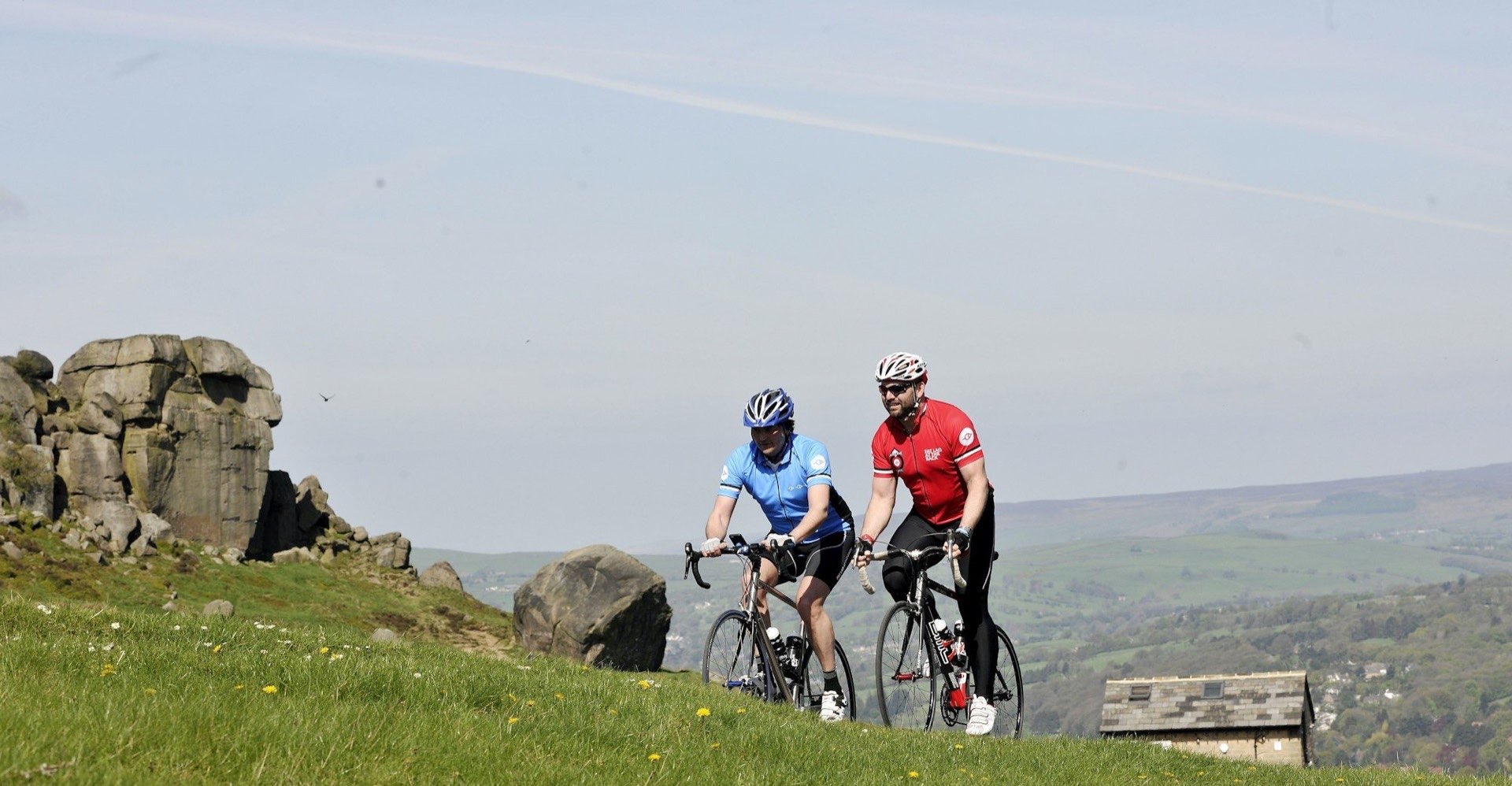
The Schilcherland is hill country – neither mountains nor plain, and the challenge lies exactly in between. The highest points nearby reach a good 600 metres, the Reinischkogel further west around 1,460. What that means on a bike: no long, even climbs as in the Alps, but constant up and down across ridges, with short descents you can barely roll out.
The practical consequence is often underestimated: thirty kilometres here cost roughly what fifty along a river would. If you come from flat country and plan the day by distance, you plan too far. Planning by climbing metres, or simply by hours, works better.
In exchange you get something flat cycle paths cannot offer: after every climb you stand on a ridge overlooking the vineyards, and the route itself is the point. If you only want to get from A to B, this is the wrong region.
Which directions are worth riding from Stainz
South towards Deutschlandsberg (around 20 kilometres, considerably more with detours through the vineyards): the classic direction along the wine road, with the highest density of wineries and Buschenschanken en route. Manageable as a day trip with a stop; there and back fills a day.
North towards Ligist and Voitsberg (around 18 to 25 kilometres): less viticulture, quieter and more wooded. The Ligist castle ruins lie practically on the way and make a good turning point.
The small loops around St. Stefan ob Stainz (10 to 20 kilometres): the obvious choice for an afternoon. Most of the producers from our Top 5 Buschenschenken near Stainz are here – between three and six kilometres from the house.
To Graz (around 40 kilometres): doable, but more of a sporting statement than a leisurely ride. Most guests drive it and use the bike locally.
E-bike or not
This is one of those regions where an e-bike is not about comfort but about range. Without a motor you realistically stay within ten to fifteen kilometres and choose destinations by gradient. With one, the same wineries sit on a relaxed afternoon loop, and the ride home after a platter stops being a question.
Riding without a motor, plan for two things: enough water, because there is little chance to refill on the ridges between villages, and a margin for the way back, because the hills run in both directions.
Cycling and wine: what to think about
The most common combination is also the one that most often goes wrong: a tasting en route, then fifteen kilometres home. Three clean solutions – a producer within riding distance you could also reach pushing; a guest taxi, which several Buschenschanken in the area offer; or a platter without wine and the tasting in your own garden that evening, from a bottle you took with you. How an afternoon at a winery works is described under Wine tasting in the Schilcherland.
Why you plan the ride home first
Almost all the Buschenschenken sit high up and the apartment sits low down, so the way back is the easy one. Even so, Austria applies an alcohol limit to cyclists too, and the narrow wine roads forgive little. If you intend to taste, arrange a lift or do that day on foot.
Practical notes
Surface. Mostly paved side roads, with firm gravel farm tracks in between. A trekking or gravel bike is the best fit; a pure road bike works on the main routes but rules out the finest sections.
Traffic. The roads through the vineyards serve the wineries almost exclusively and are correspondingly empty. Expect cars on the connecting roads between larger villages.
Opening hours. If you plan a route around a stop, check opening hours first – Buschenschanken open seasonally and often only on certain weekdays.
Season. May, June and September are the best months. In high summer the open slopes are hot from midday; in winter many producers are closed.
Who this suits
Guests who would rather come to rest actively than entirely still – a bike ride combines movement with landscape without turning into a training plan. Your own bike or e-bike is assumed; we are glad to name the current rental options nearby on request.
If you would rather explore on foot, specific routes with distances and walking times are listed under Hiking around Stainz. Everything else in the area is under Places to visit in West Styria, and if you want to make several days of it, Wine vacation Styria sets out the frame.
How demanding is cycling in the Schilcherland?
Moderate – not because of the distances but because of the constant up and down. The roads follow the ridges and valleys; long flat stretches barely exist. If you train on the flat, don't underestimate the climbing: 30 kilometres here feel like 50 along a river.
Do you need an e-bike?
Not strictly, but it changes the region noticeably. With an e-bike the ridges and the more distant wineries are comfortably in reach, and stopping for a bite doesn't jeopardise the ride home. Without one, decent base fitness helps.
Can you hire bikes locally?
We don't run our own rental, but we are happy to point you to the current options nearby – they change seasonally, so it is best to ask shortly before you travel.
Can you combine cycling and wine tasting?
Yes, it is the most common combination. The only thing to plan is the way back: several Buschenschanken run a guest taxi service, and with an e-bike the return after a platter is no problem.
When is the best time to ride?
May, June and September are ideal – mild enough for the climbs, with the best colour in the vineyards. In high summer ride early, because the open slopes get hot from midday.
Are the roads busy?
The lanes through the vineyards barely – they mostly serve the wineries themselves. The connecting roads between larger villages carry more traffic; if you can, stay on the ridges.