
Time Out in Styria
How Long It Has to Last Before It Works
Time out is not a holiday under another name. It has a concrete goal - getting back to a normal speed - and it fails reliably on the same two mistakes: too short and too full.
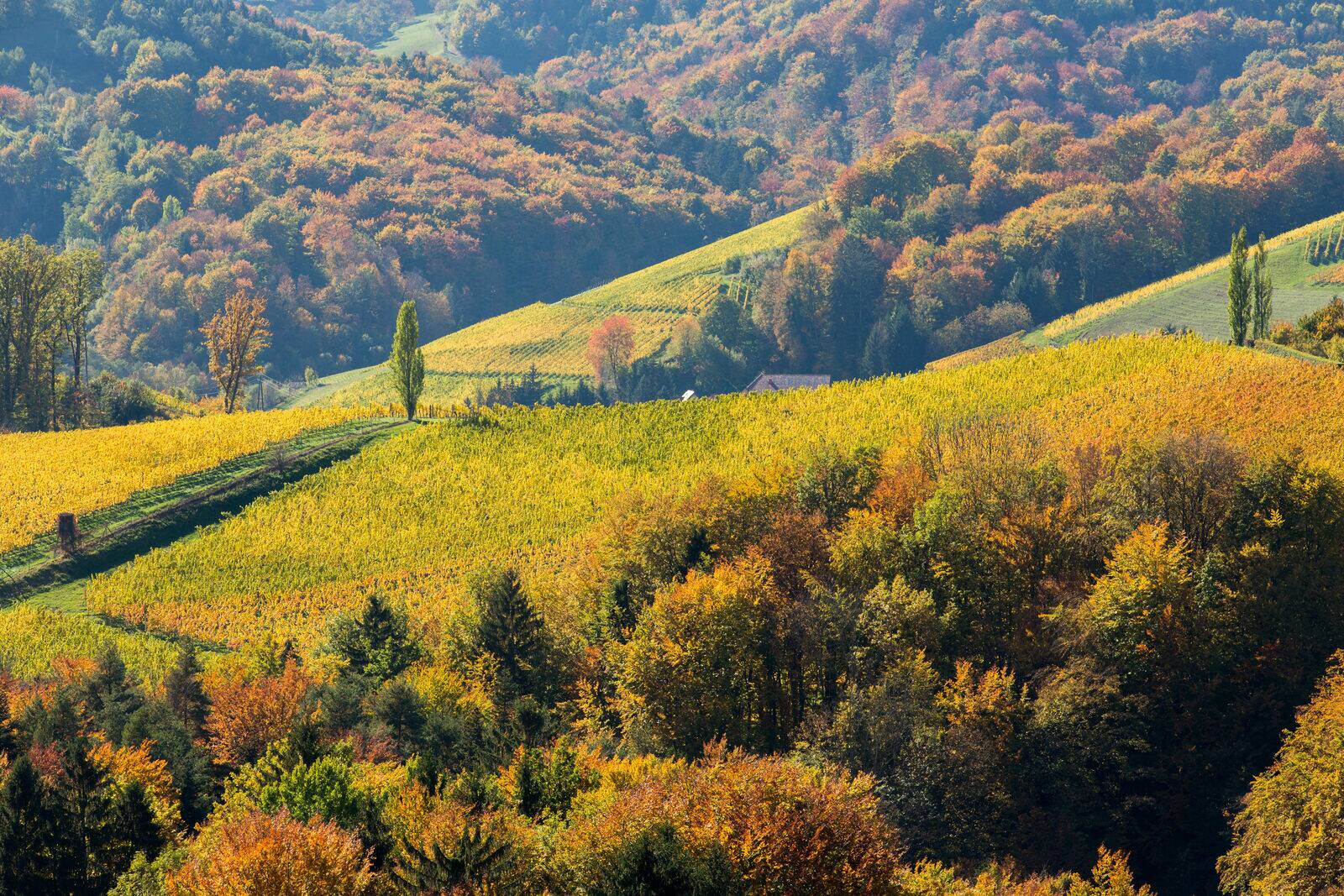
The phrase "time out" has been stretched far enough to mean anything from a spa weekend to a sabbatical. What is meant here is narrower: a deliberately limited period in a place where nobody wants anything from you, with the goal of returning to a normal pace.
That is not a soft goal. It is remarkably easy to tell whether it was reached - and just as easy to see why it usually is not.
How to tell you need time out
A handful of signs come up again and again in conversations with guests, long before anyone uses the word exhaustion:
- Sunday evening feels worse than Monday morning.
- You read a page three times and afterwards cannot say what was on it.
- Free time gets filled immediately, because unplanned time is uncomfortable.
- You are constantly reachable and rarely present.
- The last holiday was not long ago and changed nothing.
The last point is the most telling. Coming back from a holiday and being at the same place three days later does not mean the holiday was too short - it means it was too full.
How long time out has to last
The honest answer is inconvenient: longer than a weekend.
Two nights are enough for a change of scene, not for a change of pace. You arrive, you have a day, you leave. That is restful, but it changes nothing.
Three to four nights are the lower limit for the effect in question. The second full day is, in our experience, the first on which the daily rhythm is no longer inherited from the working week - the first morning you wake up without immediately knowing what comes next.
A week is the form in which time out actually carries over. The first half goes to arriving; the second is the real thing.
If you only have a weekend, plan a short break and do not call it time out - that removes the pressure to achieve something in two days that two days cannot do. What two nights can still do, and how to plan them without planning them to death, is described under Time-Out Weekend.
The mistake that costs almost every break
Take a week off and fill it with six outings, two massages, and a yoga program, and you have not left the calendar - you have only swapped its contents. Time out is not measured by what takes place in it, but by how many hours in it are unplanned.
What a place has to be able to do
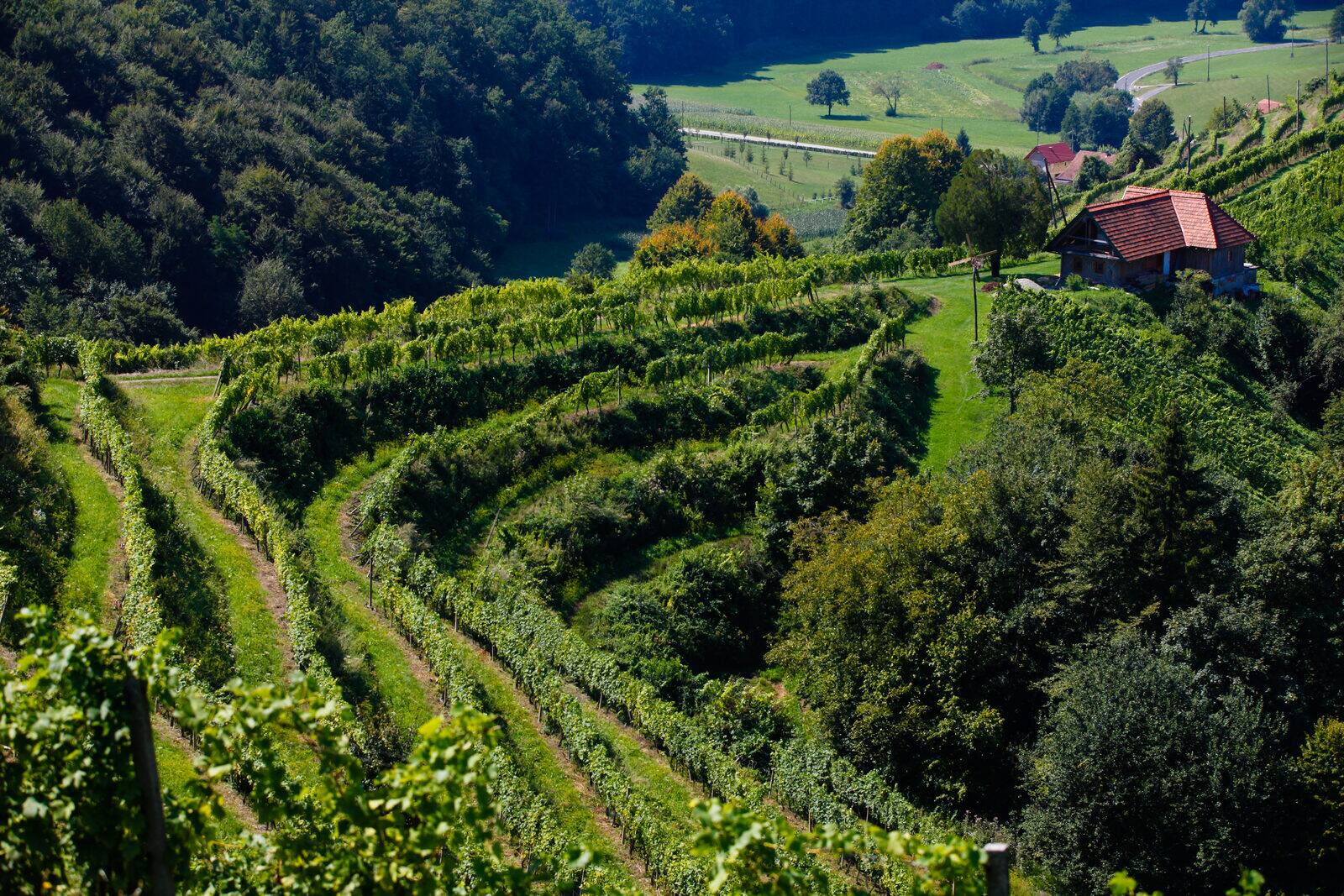
Not every accommodation suits time out, regardless of price or fittings. Four things matter:
No fixed times. Breakfast from seven to ten is an appointment. Housekeeping between eleven and two is a second. Anyone looking for time out needs a place free of externally set time slots - which is the main reason apartments work better for this than hotels.
No obligation to meet people. A breakfast room with thirty strangers is the most pleasant part of a hotel for many and the most demanding for people with social fatigue. A place for time out has to allow you to meet nobody for days without it being conspicuous or rude.
An outdoors you reach without planning. Time out consists largely of short, aimless walks. If each one requires a car journey, they do not happen. What starts directly outside the door is under Hiking around Stainz.
A kitchen. Not because you have to cook, but because it dissolves the dependence on meal times. If you do not have to be at a restaurant at seven, you gain an evening.
Why West Styria works for this
There are quieter parts of Austria, and there are more beautiful ones. What distinguishes West Styria is a combination of three qualities that rarely occur together:
It is reachable. Forty minutes from Graz, just under three hours from Vienna. Time out that costs a full day of travel starts at a deficit.
It is not shaped by tourism. There is no pedestrian zone with souvenir shops and no attraction that coaches stop for. Why that is the case is under Why Stainz and West Styria Lie Beyond the Classics.
It still has structure. There are supermarkets, a doctor, a pharmacy, an outdoor pool, and wine taverns. Complete seclusion sounds good and becomes exhausting for most people after three days.
What actually happens during time out
In most guests' experience, in this order: on the first day you sleep. On the second you tidy up - laundry, shopping, order, everything left undone at home migrates here mentally. From the third day the part you came for begins. Leave after two nights and you only know the first two.
Time out alone, as a couple, or in a group
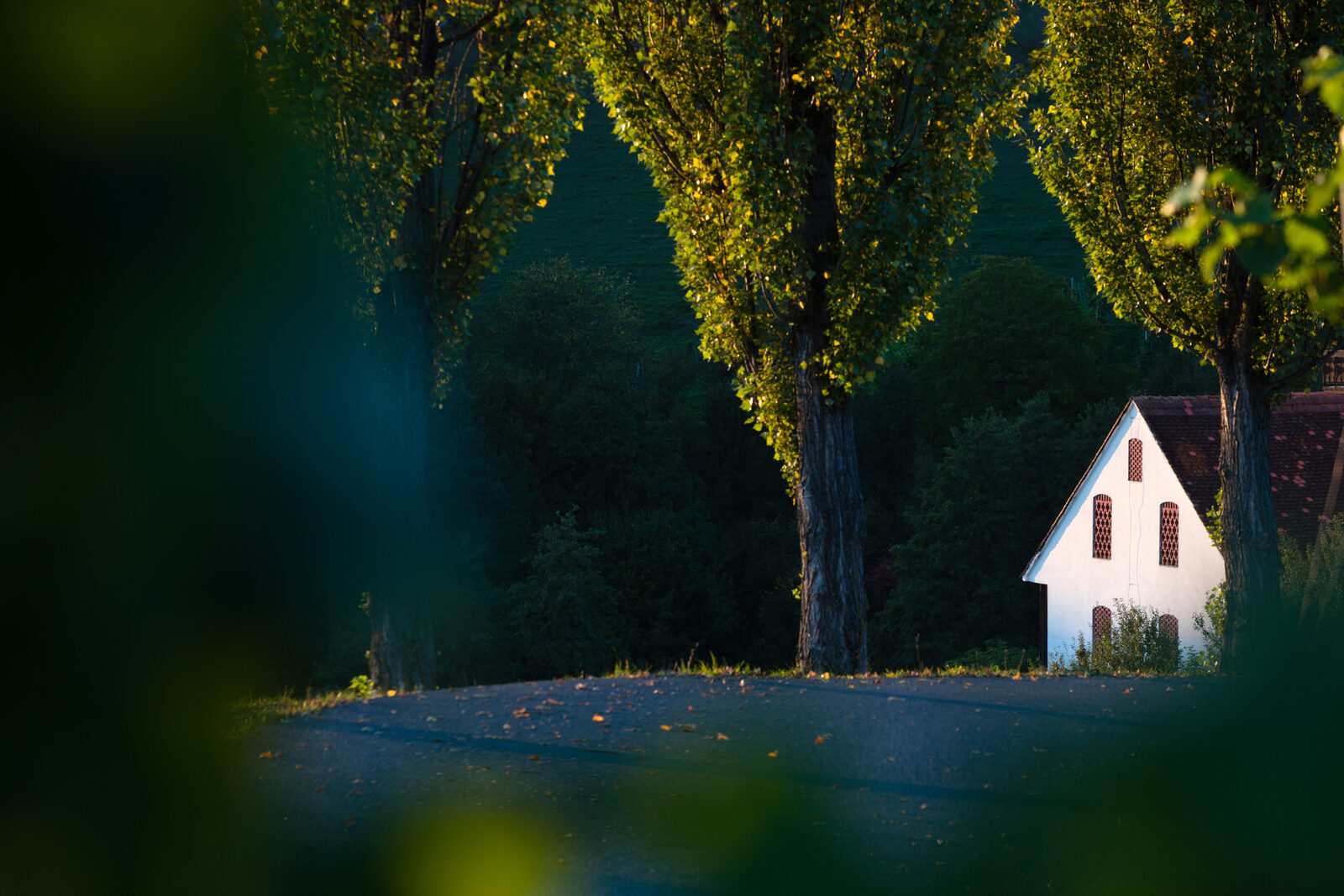
Alone. The most intense form and the one with the fewest offerings, because it is hard to sell. What matters: a place where being alone is normal and does not stand out.
As a couple. It works if both want the same thing. The most common conflict is not closeness or distance but pace - one wants to do something, the other does not. More under Romantic Weekend in Styria.
In a group. Shared time out without leadership takes more coordination than most expect. If structure is wanted, the right format is a retreat - there is a separate page under Retreat Location Styria.
Time out does not need a special place, but one that wants nothing from you. The five apartments at Johann & Anna sit in Stainz, each with its own kitchen, a garden, and no reception.
How long should time out last?
At least three to four nights, ideally a week. Two nights are a change of scene, not time out.
What is the difference between time out and a holiday?
A holiday can have a full program and still succeed. Time out has the goal of taking speed out - a program gets in the way. More under Slowing Down on Vacation.
Does time out need a program, yoga, or guidance?
No. If you want it, the region has offerings; none of it is necessary. Guided forms are described under Mindfulness Vacation in Styria.
Does time out make sense in winter?
Yes, and for many it is better: less activity, shorter days, less reason to do anything.
Is time out suitable for solo travellers?
Yes. What matters is a place where you do not stand out and owe nobody an explanation.
What does time out cost?
Essentially accommodation and food. The great advantage of this kind of holiday: it has almost no extras, because almost nothing gets booked.