
7/25/2026
What Is a Retreat?
Definition, Structure, and How It Differs From a Vacation
The word "retreat" gets used for very different things these days – from a wellness weekend to a multi-week silent course. Here's an attempt to bring some clarity.
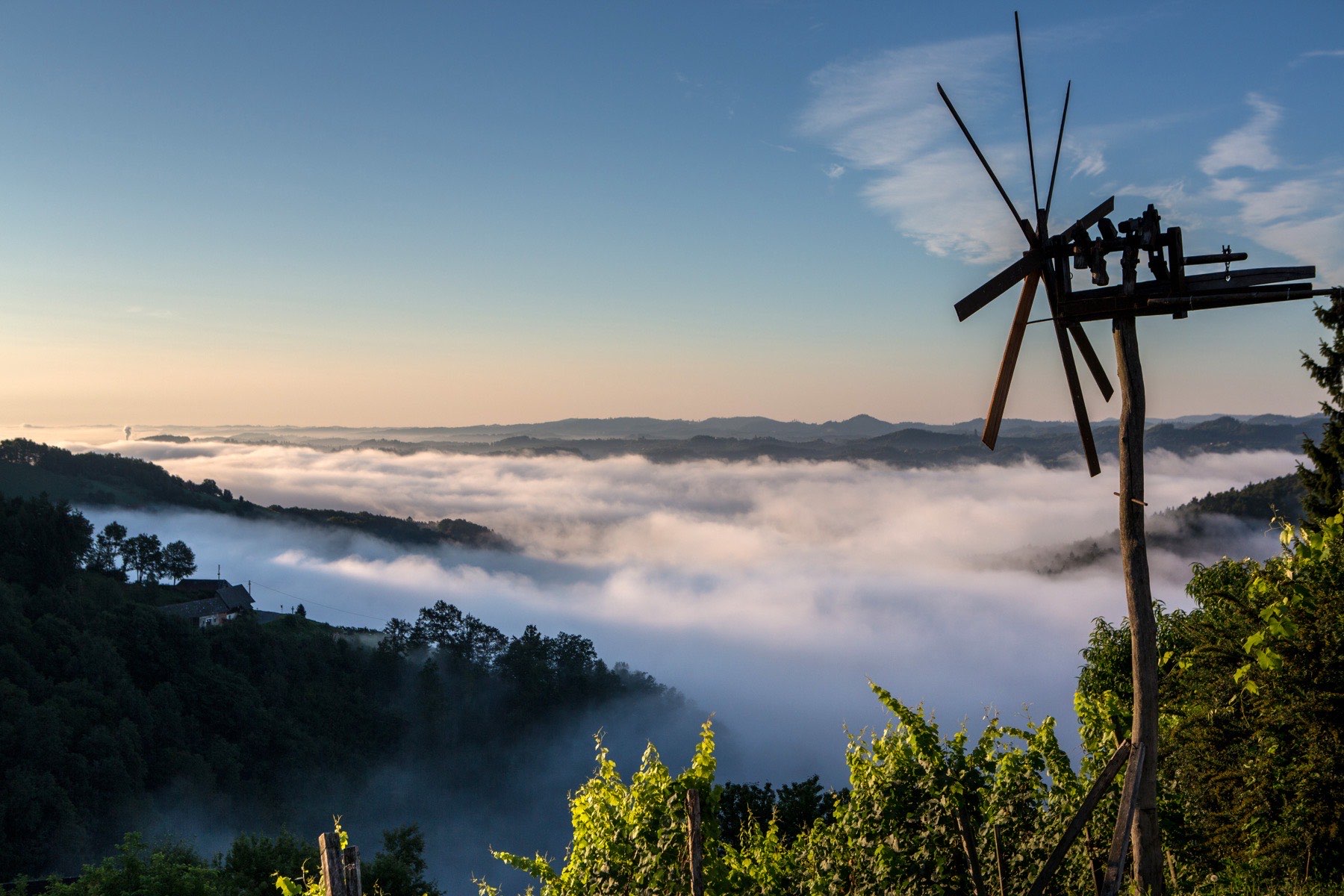
Definition
A retreat is a time-limited withdrawal from everyday life built around a specific focus – usually mindfulness, yoga, meditation, creative work, or personal development. Unlike a classic vacation, the point isn't to pack in as much as possible, but to reduce: fewer stimuli, more space for the focus you've chosen.
What a typical retreat looks like
- Arrival with a conscious transition away from daily life (often with no fixed program on the first evening)
- Set program elements (yoga sessions, meditation times, workshops) alternating with free time
- Shared or silent meals, depending on the format
- A deliberate close instead of an abrupt end
How it differs from a vacation
A vacation often optimizes for density of experience – seeing, doing, and trying as much as possible. A retreat optimizes for the opposite: as little distraction as possible from a single focus. That makes retreats more demanding to prepare (a good retreat needs the right structure), but often more lasting in its effect.
Formats at a glance
Weekend retreats (2–3 days), classic retreat weeks (5–7 days), and intensive formats spanning several weeks. The location always plays a role here – more on what a well-suited location can look like.
Retreat formats in more detail
A weekend retreat (2–3 days) works well as an introduction, or for working professionals with limited free time. A classic retreat week (5–7 days) allows for deeper processes, whether in meditation or creative projects. Intensive formats spanning several weeks are rare but possible – usually for specialized training or education programs.
What this looks like at Johann & Anna
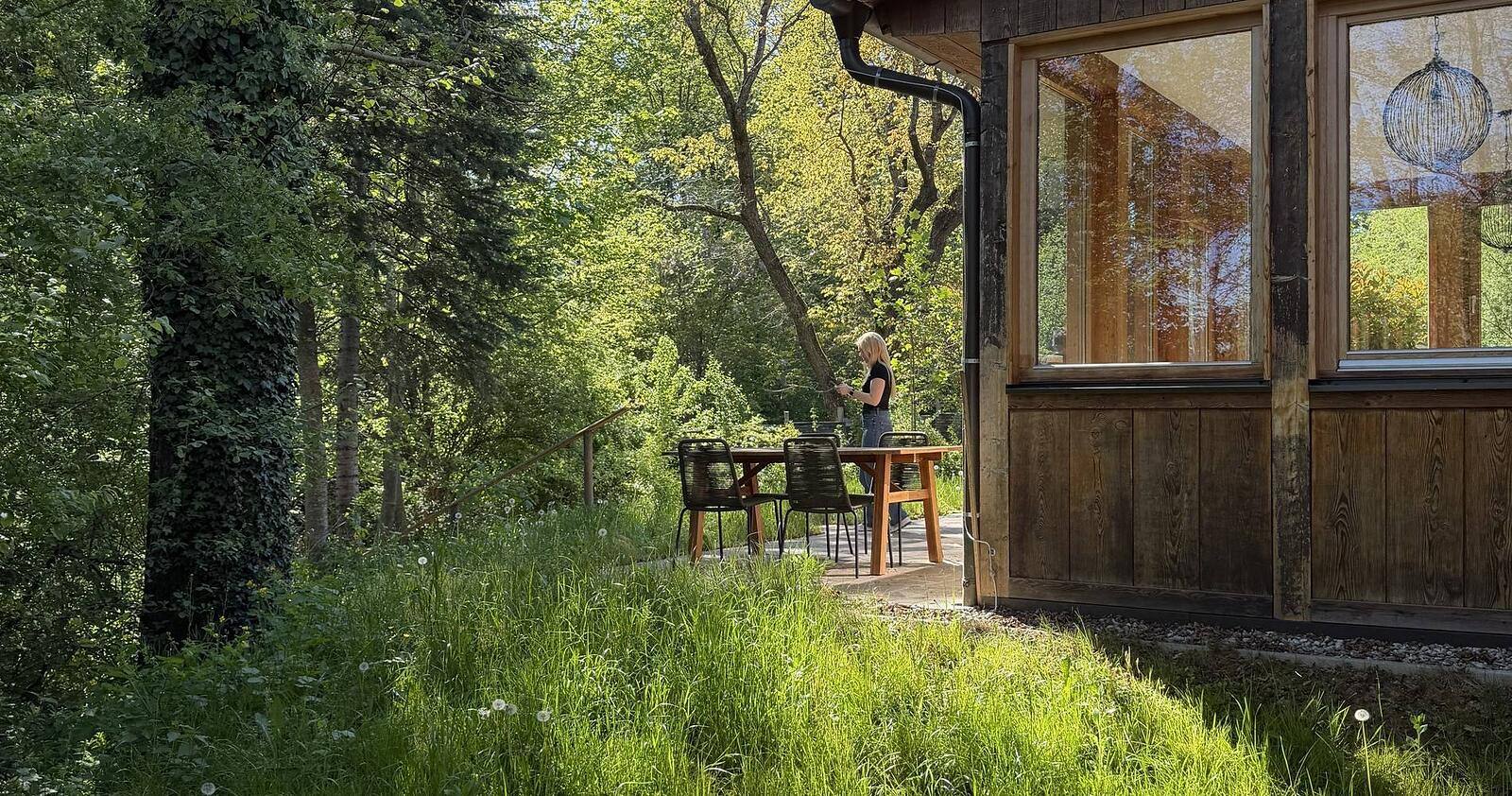
There's no reception desk here in Stainz, no house program, and no second stream of guests competing for attention. Five self-contained apartments and a garden by the Stainzbach - that's the entire frame. Whether you're arriving as a group with your own facilitator or looking for a few days of reduction on your own, the location itself brings no program - only the quiet that makes one possible.
Is a retreat suitable for beginners who've never done one before?
Yes - a weekend retreat (2-3 days) is the usual way in. You don't need prior experience with meditation, yoga, or fasting, just the willingness to go without distraction for a few days.
Do I need a group, or can I do a retreat on my own?
Both work. Many retreats are organized by a group with a facilitator, but plenty of people also look for a quiet place to shape their own retreat alone or as a couple - without a fixed program, but with the same underlying idea of reduction.
What actually separates a retreat from a regular wellness weekend?
A wellness weekend is usually built around relaxation through amenities (sauna, massage, pool). A retreat is built around a focus you bring yourself or that a program sets for you - with a deliberate cut in distraction, not just in stress.
How long should a first retreat be?
2-3 days is usually enough for a start. That's long enough to step out of your everyday rhythm without the logistics - time off, travel, cost - becoming a barrier.