
7/29/2026
The Meaning of Retreat
Where the Word Comes From and What It Means Today
Few words get used as loosely these days as "retreat" - from a wellness weekend to a mindfulness app. Looking at what it actually means is still worth the detour.
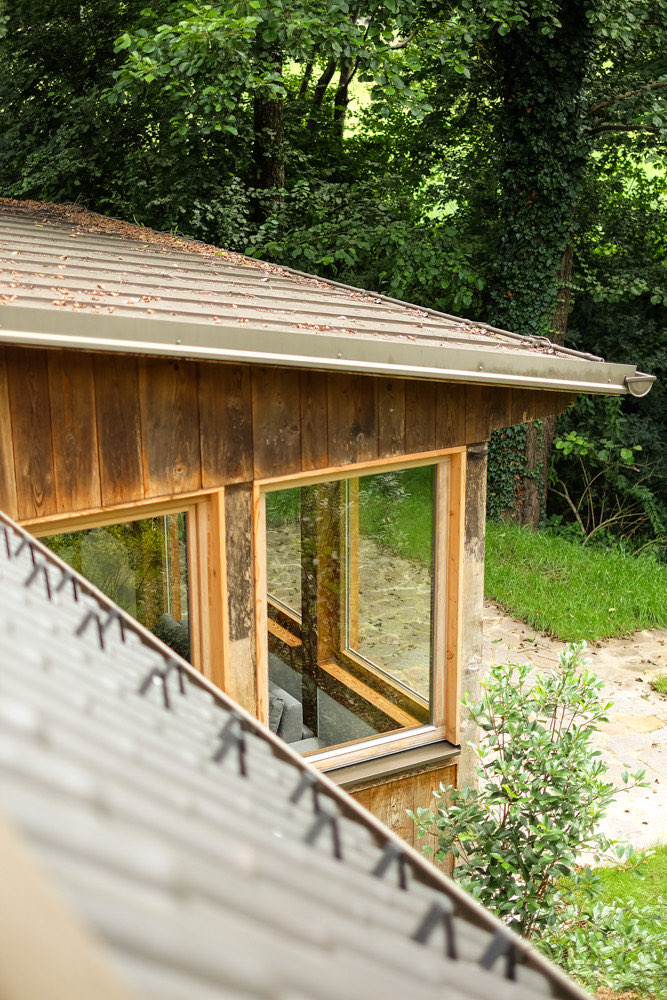
"Retreat" comes into English via the French "retraite," from the Latin "retrahere" - literally, to draw back. It started out as a military term: the orderly withdrawal of troops, not a retreat into chaos but a deliberate, disciplined move away from the fighting.
That secondary meaning - deliberate, disciplined, aimed at something - matters more than it first appears. It's exactly what separates a genuine retreat from any old weekend away from home.
From the Monastery to the Conference Room
In English, the word shifted from the military to the religious sense in the 17th century: a "retreat" became a time-limited withdrawal into a monastery or quiet setting to think or pray undisturbed. The Ignatian Exercises remain the best-known example to this day. In Buddhism, too, the term has been central for centuries: a meditation retreat is a planned stretch of intensive practice, often guided, often in silence.
From there, the word kept travelling - first into the English-speaking working world ("corporate retreat" as an off-site strategy session), then into the wellness and mindfulness space, where it's most commonly found today.
What's Left of the Original Meaning
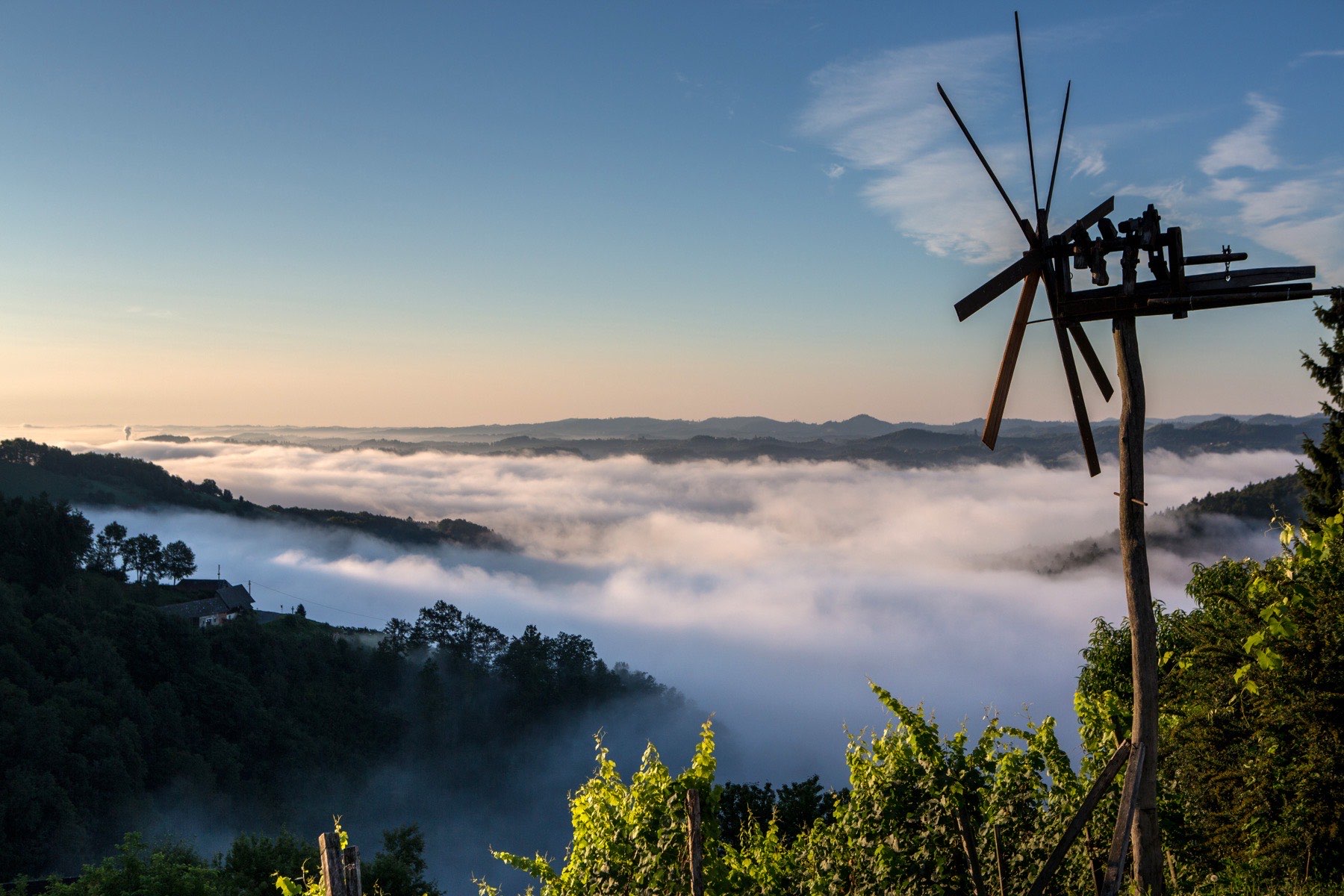
Even though nobody thinks of the military or a monastery anymore when a yoga retreat comes up, the core of the meaning has stayed the same: a retreat isn't a vacation trying to pack in as much as possible - it's a withdrawal designed to minimize distraction. Fewer stimuli, more space for exactly one focus. If you'd like to know how that translates into actual structure and format, our article on what a retreat is covers it in detail.
Why the Meaning Has Gotten So Blurry
The word now covers so much ground - from a week-long silent course to a spa weekend with a morning yoga class - that in some circles, any time off gets called a "retreat." That's no accident: the more popular a term becomes, the more diluted it gets. For organisers, that mostly means one thing: it's worth clearly naming what your own retreat actually means - which focus, which structure, which framework - rather than relying on the word alone to do that work.
The Setting That Makes the Difference
This is exactly where the choice of location comes in. A hotel operation with its own supporting programme inevitably competes for attention - a front desk, other guests, a second programme running alongside your own. A location that already contributes to the calm, rather than just being the backdrop, makes it easier to stay true to the original meaning of "retreat": a deliberate withdrawal, not just a different setting for the same routine.
What That Means at Johann & Anna
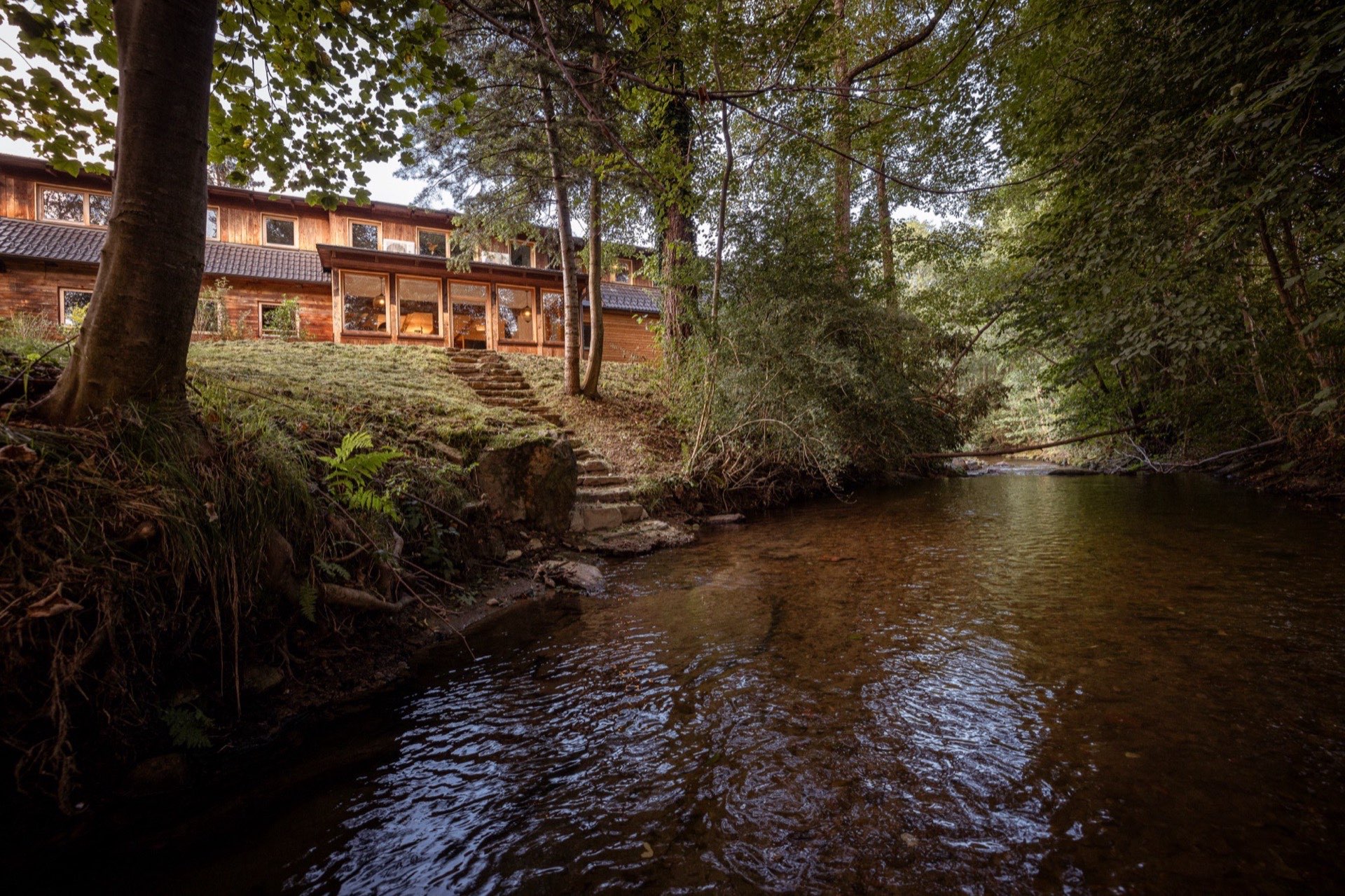
We use the word "retreat" deliberately sparingly - not for every quiet weekend, but for what organisers running their own programme actually find here: five self-contained apartments, a garden on the Stainzbach stream, no hotel operation running alongside. For more on who this works well for and how an inquiry works, see our page on our retreat location in Styria.