
8/1/2026
Discovering Schilcher
What Makes West Styria's Wine Unique
Hear about Schilcher for the first time and the first question is usually: red wine or rosé? The honest answer is neither, really - and that's exactly what makes it what it is.
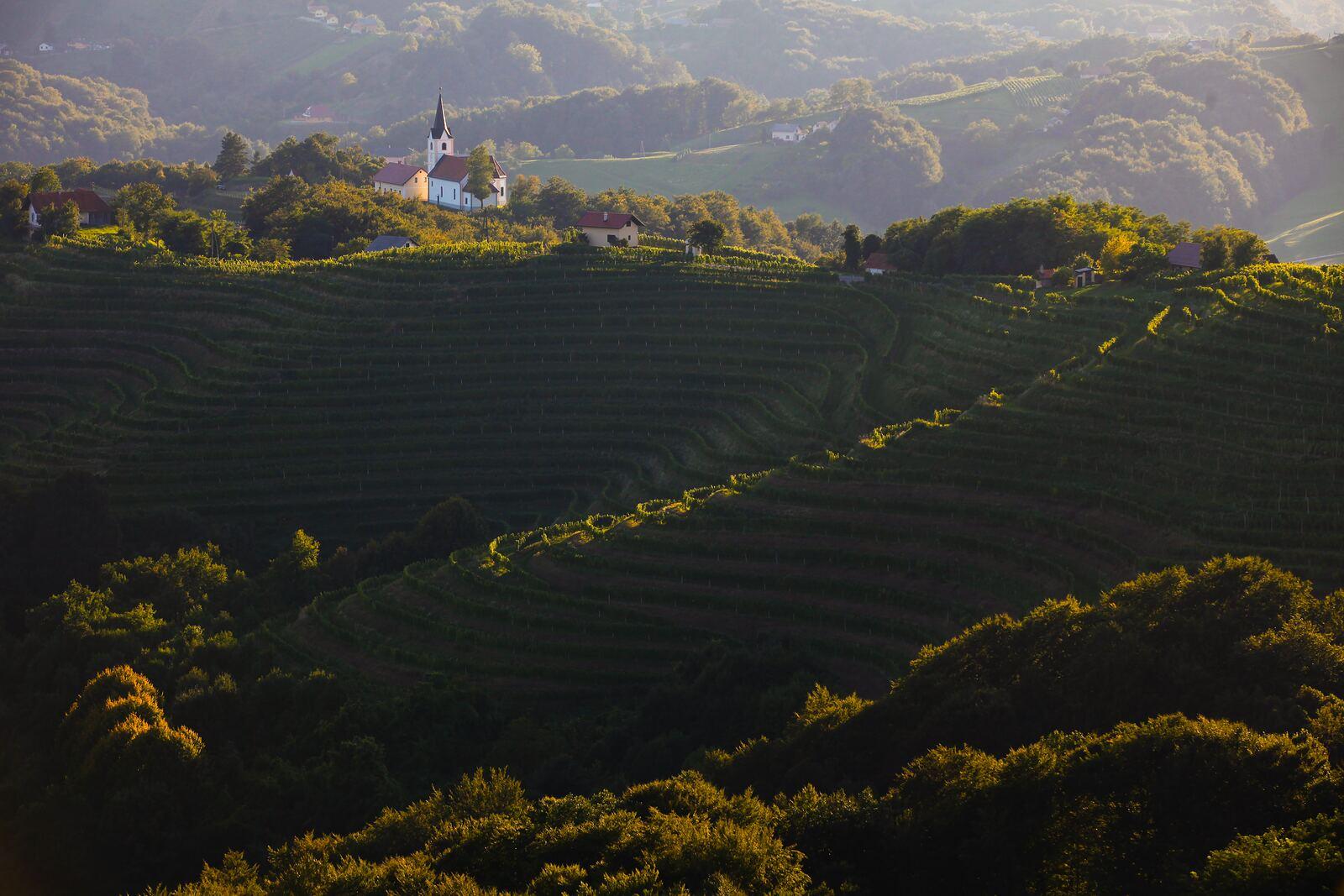
Schilcher has been a legally protected term since 1976: only a wine made 100% from the Blauer Wildbacher grape and matured exclusively in Styria may carry the name. That makes Schilcher neither a red wine nor a classic rosé, but its own category in between - pale pink to onion-skin colored, depending on how long the mash sits before pressing.
Where the Name Comes From
"Schilcher" comes from "schillern" - to shimmer - describing the wine's shifting color, which changes between pink and a light copper tone depending on the light. The earliest written mentions date back to around 1580, in Johann Rasch's wine book, with later references appearing in the cellar records of Styrian estates and monasteries - the wine, in other words, is older than the name of the region now named after it.
A Grape Variety Found Almost Nowhere Else
Blauer Wildbacher, the grape Schilcher is made from, covers only around 458 hectares across all of Austria - about one percent of the country's total vineyard area. Nearly all of that acreage sits in West Styria, which is why the region is also called the "Schilcherland": of its roughly 660 hectares of vineyards, about two-thirds are planted with Blauer Wildbacher. Botanically, the grape is closely related to Blaufränkisch, but tastes entirely different - largely due to the short mash contact time and the grape's naturally high acidity.
What Schilcher Tastes Like
A young, lively wine with pronounced acidity and fruit notes reminiscent of raspberry and red currant - Schilcher isn't made for long aging, but for the moment. That's exactly why it suits an afternoon in the vineyard so well, without needing much fuss made over it.
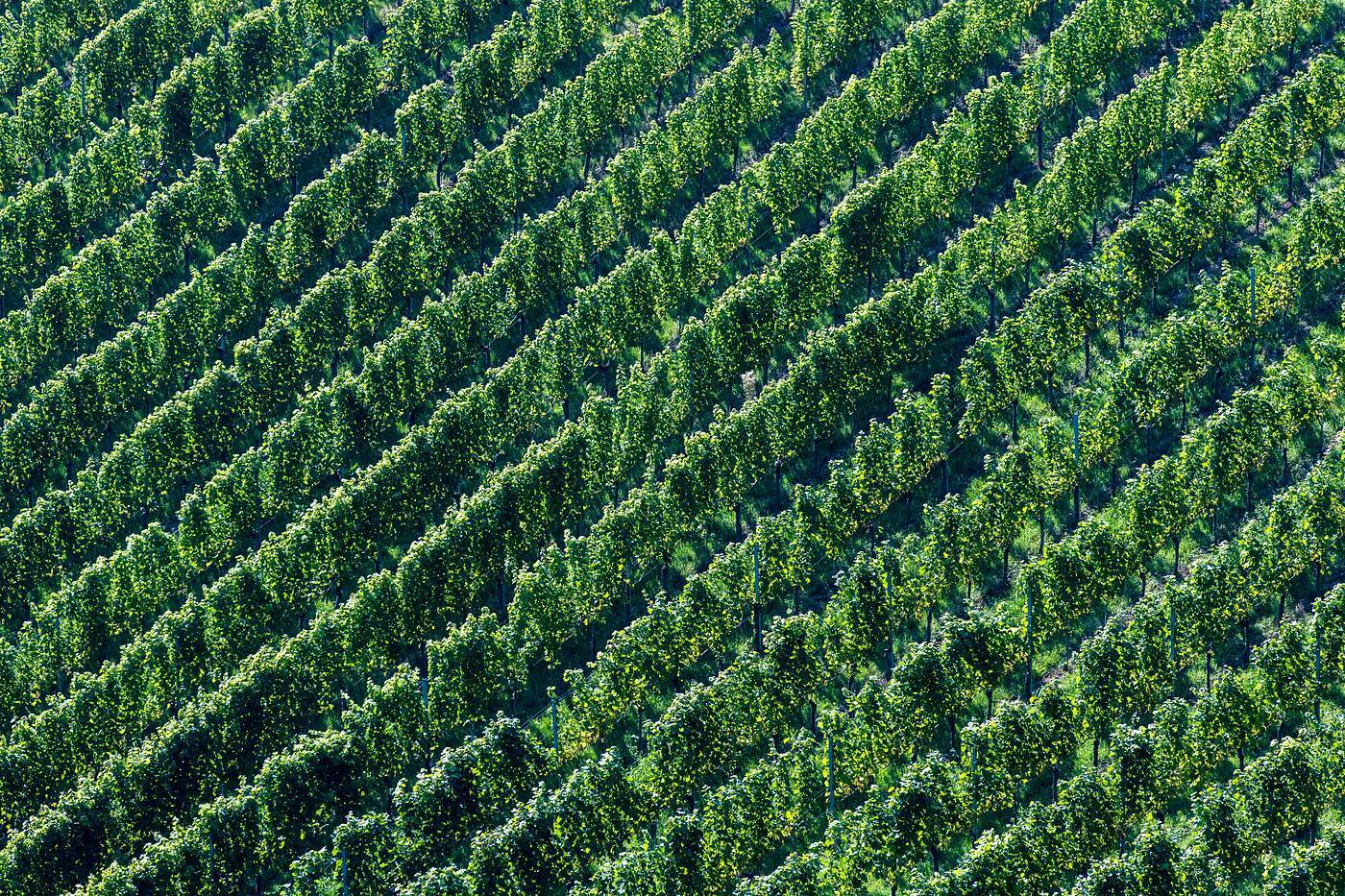
Alongside still Schilcher, there's also a lightly sparkling version - more on that under Schilcher Frizzante. Prefer to experience the grapes right at harvest time: Grape Harvest in West Styria explains when and how.
Where to Try It
Several Buschenschenken and wineries around Stainz invite you in for tastings right at the winemaker's own place - you'll find a selection in our article on the Top 5 Buschenschenken around Stainz. For a practical starting point, see Wine Tasting in the Schilcherland, and once a year it all becomes a full festival: the Stainzer Schilchertage.
Is Schilcher a rosé?
It's made in a similar way, but counts as its own category - the legal designation "Schilcher" is tied to the Blauer Wildbacher grape and Styrian origin, not simply to the production method.
Why does Schilcher grow almost only in West Styria?
Blauer Wildbacher has demanding soil and climate requirements that this region happens to meet particularly well - it's barely grown anywhere else in Austria.
How long does Schilcher keep?
It's meant as a young wine for near-term enjoyment, not long-term aging - it tastes best within the first year or two after harvest.